Your cart is empty
Loading the page…
Putting things in place.
Insights on health, technology, and the science behind wearable wellness.
HRV is the variation in timing between heartbeats, not a universal stress score. Learn how a smart ring derives it from pulse waves, what RMSSD means and how to separate a real trend from signal noise.
Smart rings can make sleep, recovery and activity patterns easier to see, but not every metric is equally reliable. Learn where the real value comes from, what the evidence supports and how to test one for 30 days.
What is a smart ring? Learn how finger-based sensors track sleep, heart rate, HRV, temperature and activity—and how the app turns signals into trends.
Index, middle or ring finger? Choose a secure, comfortable fit, follow your model’s instructions, and learn what a home fit check can—and cannot—tell you.
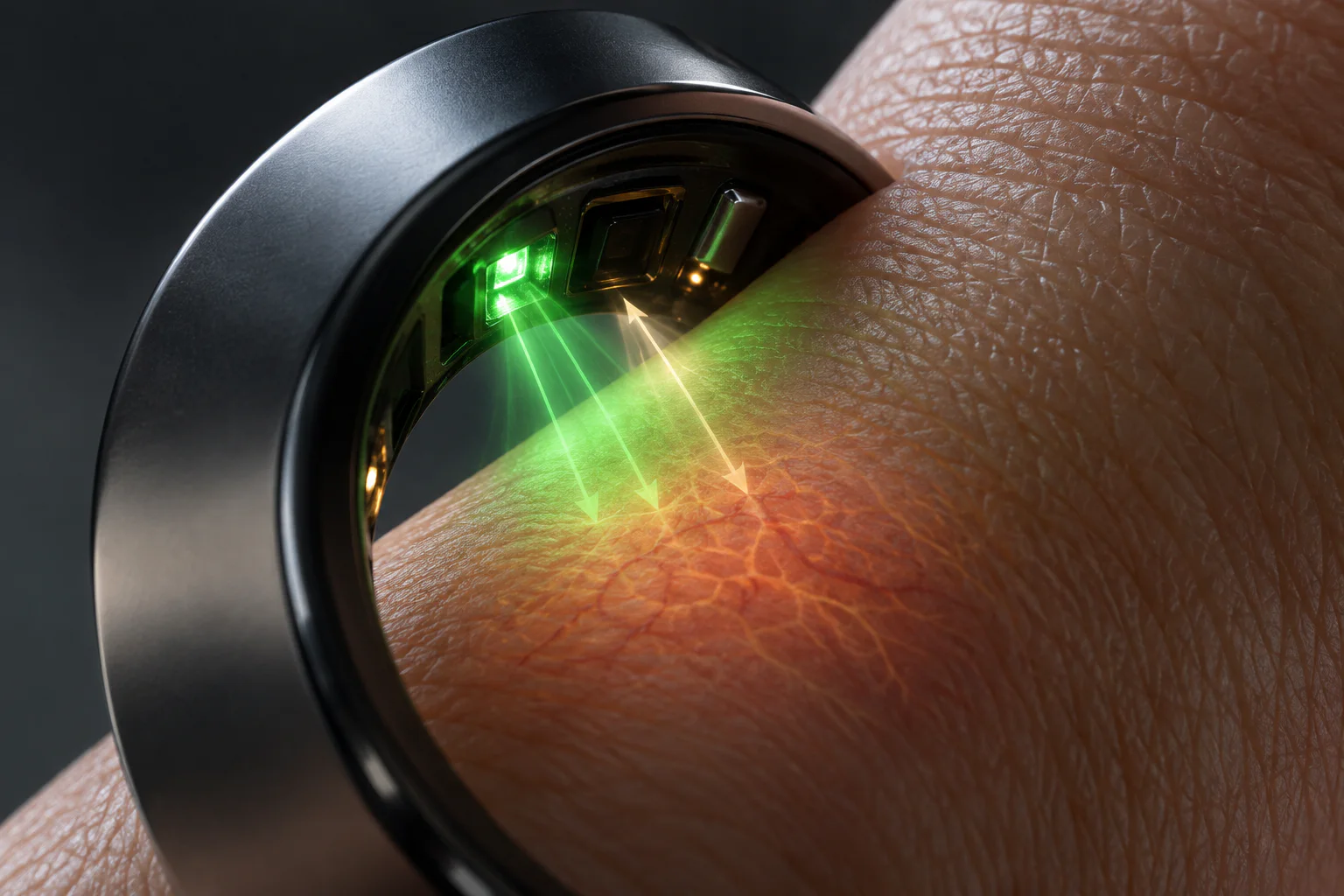
Smart rings estimate pulse rate from light reflected inside the finger. Learn how PPG becomes BPM, why rest and exercise differ, what creates gaps and how to check an unexpected reading.
Smart rings estimate sleep from movement, pulse waves, heart rate, HRV, temperature and timing—not brain waves. Learn how the algorithm works, where stage errors come from and how to judge your own nightly data.
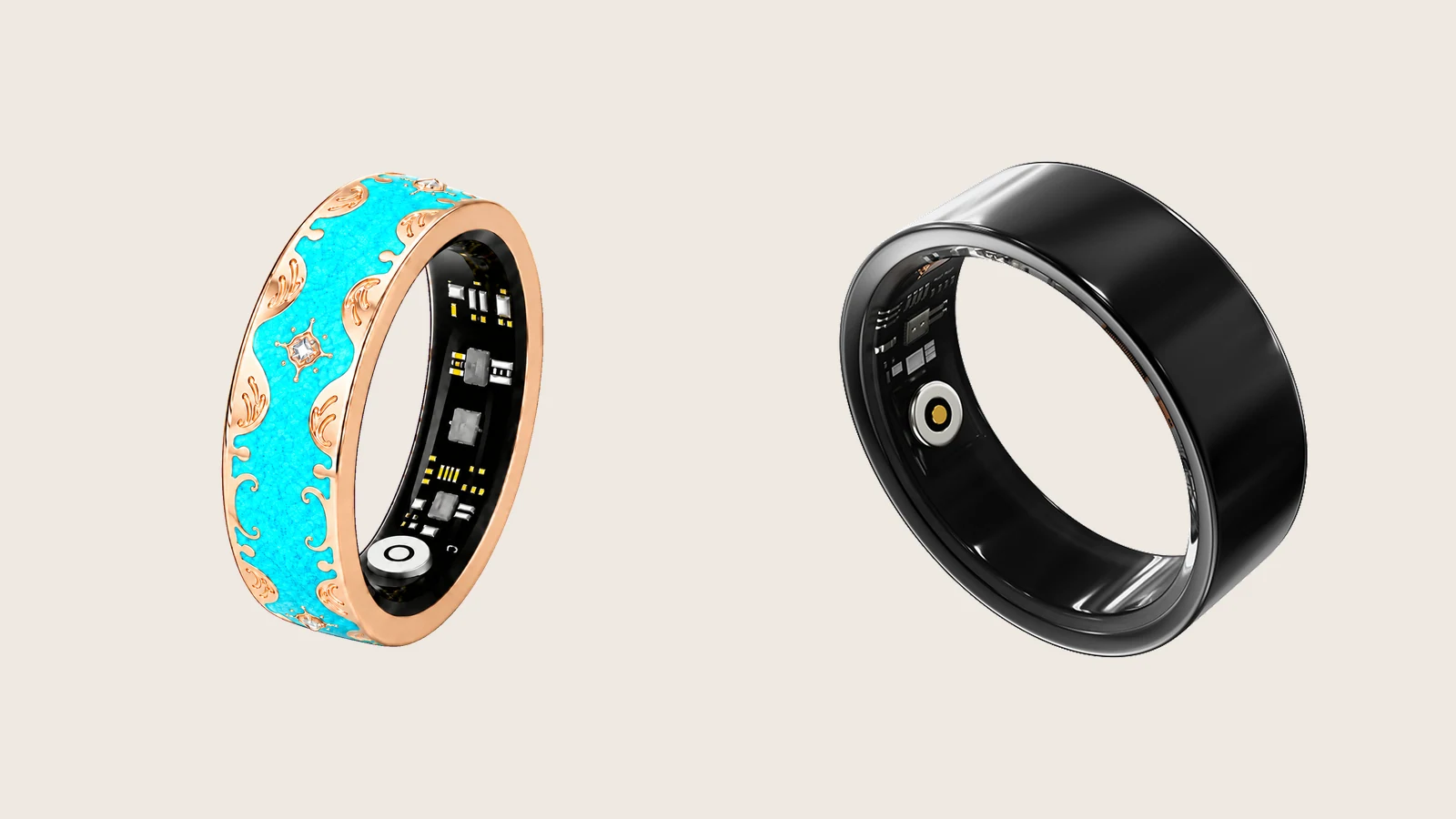
Choose between EnergyMo Ring Pro and Young by comparing finishes, available options, fit, intended style, and live product information before checkout.
A smart ring may reveal oxygen and breathing-related trends, but most cannot diagnose sleep apnea. Learn what the data means and when to seek a sleep test.
Most people can wear a correctly fitted smart ring through normal days and sleep, but 24/7 does not mean never remove it. Learn when to take it off, how to protect your skin and how planned gaps affect trends.
A stress score is an interpretation of body signals, not an emotion reading. Understand HRV, misleading spikes, missing data and practical ways to use the trend.
Smart rings infer sleep from indirect signals. Learn what sleep/wake and stage estimates can show, where they fail, and how to use trends without treating them as a diagnosis.
Use HRV as one input in training decisions: standardize measurements, compare with your own baseline, combine the trend with symptoms and workload, and avoid reacting to one noisy day.