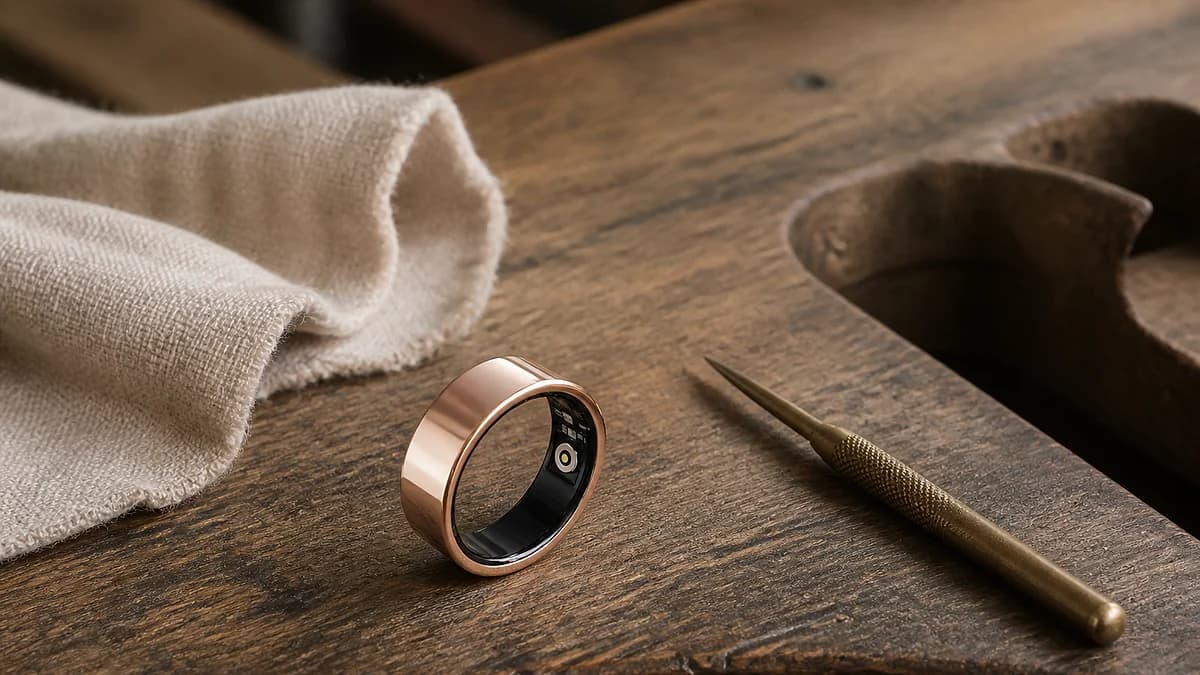
What Is a Smart Ring—and Why Is It Becoming the Next Generation of Health Wearable?
Learn why smart rings were developed, how their sensors track health trends, and how screen-free wear and AI can make data easier to understand.
Your cart is empty
Loading the page…
Putting things in place.
Insights on health, technology, and the science behind wearable wellness.
Learn why smart rings were developed, how their sensors track health trends, and how screen-free wear and AI can make data easier to understand.

See why a good sleep score can coexist with lower recovery when HRV, resting heart rate, training load, timing, or data quality tell another story.

Understand how readiness and recovery scores are defined, why products calculate them differently, and how to use them without treating them as medical facts.

Learn what may contribute to a recovery score, how to compare it with your personal baseline, and why one low day is not a diagnosis.

Understand sleep latency, how rings estimate sleep onset without brain-wave data, and why quiet wakefulness can make the estimate difficult.

Compare the signals used by sleep-tracking rings and phone apps, including movement, sound, pulse patterns, temperature, and their shared limitations.
Learn how smart rings may detect naps, why short or quiet periods are difficult to classify, and how to interpret missed or misidentified sessions.

See why equal sleep duration can produce different scores when timing, interruptions, heart rate, HRV, movement, and data quality change.

Learn how deep sleep and REM differ, how smart rings estimate stages from indirect signals, and why trends matter more than exact nightly minutes.

Connect fit, evidence, data quality, app design, privacy, and support to your needs to decide which smart-ring features are worth paying for.

Calculate the real cost of a smart ring across hardware, subscriptions, accessories, replacement, returns, and the time needed to maintain useful data.

Compare smart rings under $200 by sensor evidence, fit, battery routine, app quality, data access, and support rather than specifications alone.