
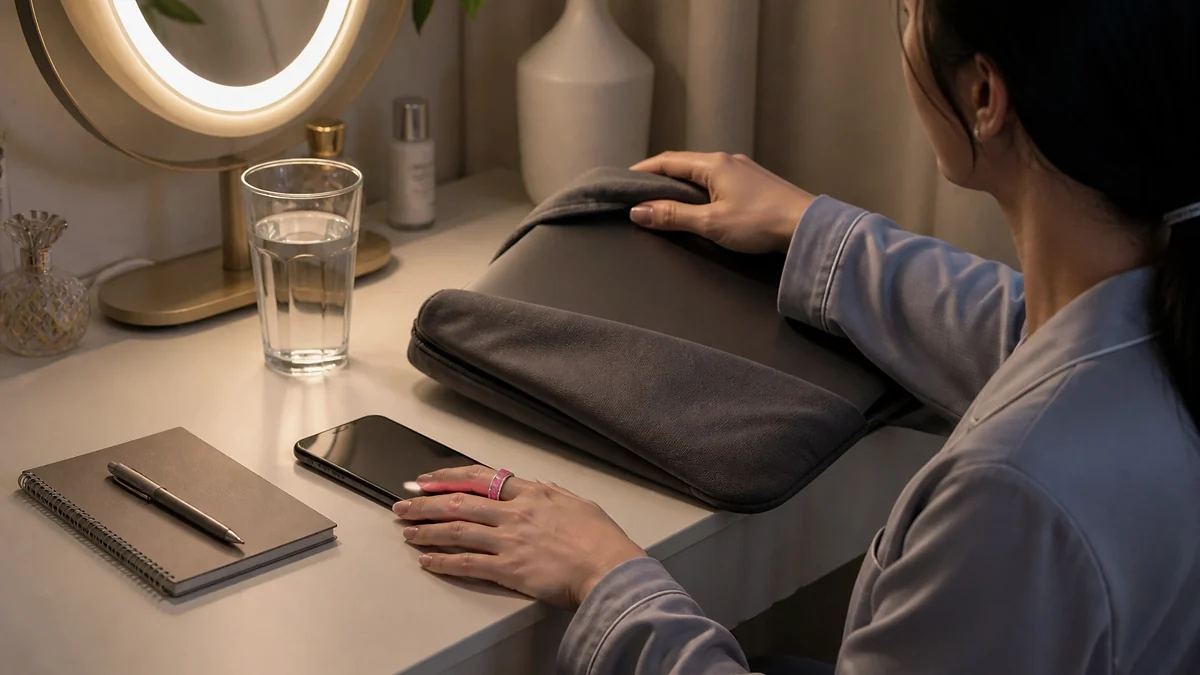
Sleep is part of recovery, not a synonym for it. A night can look adequate on duration while recent training, travel or physiological trends remain outside your usual range.
What the evidence shows
Recovery and readiness are product-defined summaries rather than standardized clinical measurements.
This finding is most useful when compared under similar conditions and interpreted with the surrounding context. It should not be stretched into a diagnosis, a universal threshold, or a promise that every person will obtain the same result.
HRV, resting pulse, sleep, activity and temperature-related trends can be weighted differently by each algorithm.
Training, alcohol, travel, illness, medication and signal quality can all influence the underlying observations.
How to use the information in daily life
Begin with the decision you are trying to make. Keep the device, finger and measurement conditions as consistent as everyday life reasonably allows, then review the underlying observations before reacting to a summary score.
- Open the contributing metrics before reacting to the score.
- Compare against your own established range.
- Combine trends with symptoms, performance and the plan you intended to follow.
Record context only when it changes: travel, alcohol, unusual exercise, illness, medication, disrupted sleep, a different finger, or a firmware update. A short factual note is usually more useful than inventing a cause for every fluctuation.
Measurement limits and safety
A consumer smart ring observes signals and estimates trends. It does not know the cause of a change and does not replace an examination, ECG, pulse oximeter, polysomnography, laboratory test, or another validated method when one is clinically required. Missing data can reflect movement, fit, charging, connectivity, cold skin, or rejection of a low-confidence segment.
Do not delay care because a wearable score looks reassuring. Chest pain, fainting, severe shortness of breath, confusion, bluish lips, new neurological symptoms, or persistent concerning symptoms need appropriate medical attention.
Frequently Asked Questions
Does low recovery mean illness?
No. The score cannot identify the cause of a change.
Should a score decide my workout?
It can add context but should not replace symptoms, judgment or professional advice.
Can scores be compared across brands?
Usually not; definitions and weighting differ.
Sources and Further Reading
Continue Exploring
Editorial note: Sources and product information were checked on September 14, 2026. Specifications, software, services and policies can change; confirm current details on official pages. This article provides general wellness education. EnergyMo products are consumer wellness devices and are not intended to diagnose, treat, cure or prevent disease.
The two scores may answer different questions
A sleep score may emphasize duration, timing, continuity and estimated stages. A recovery score may also consider resting heart rate, HRV, temperature trend and recent activity relative to a baseline. Good sleep inputs can therefore coexist with unusual overnight physiology or accumulated load. The disagreement is not automatically an error.
Use a reconciliation table:
| Sleep side | Recovery side | Context to check |
|---|---|---|
| Duration and timing | Resting heart rate/HRV | hard training, alcohol, heat, illness |
| Continuity | temperature trend | environment, cycle, symptoms |
| stage estimates | recent activity load | classification error, unusual workload |
| complete night | signal quality | fit, gaps, charging, cold hands |
Start with data quality, then look for a multi-day pattern. Do not “fix” a low recovery number with increasingly aggressive interventions. Protect ordinary sleep, hydration and reasonable load while observing. If you feel unwell, have marked exercise intolerance or concerning symptoms, use clinical judgment rather than waiting for scores to agree.