
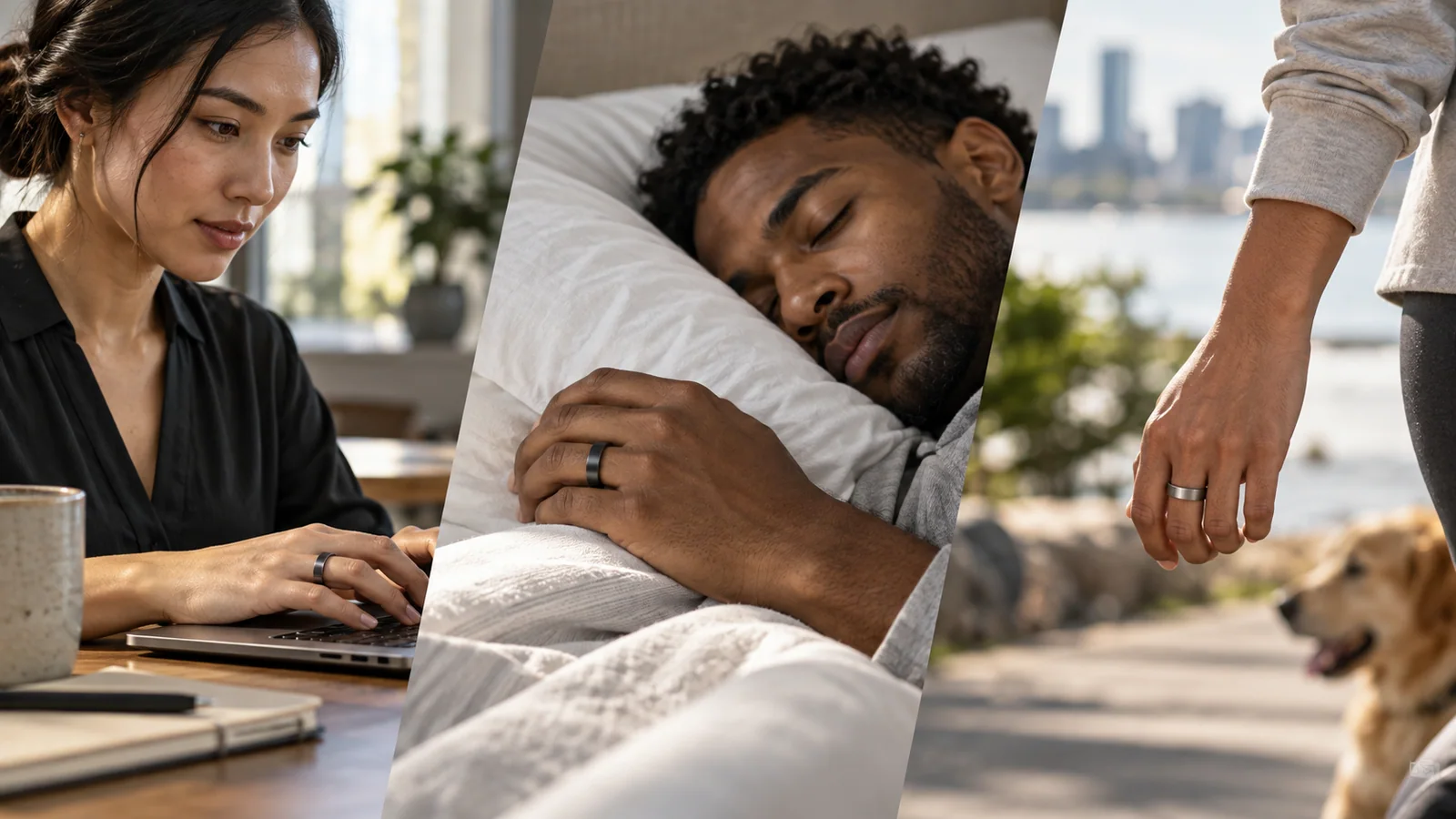
Not only athletes—and not only people who already understand every wellness metric.
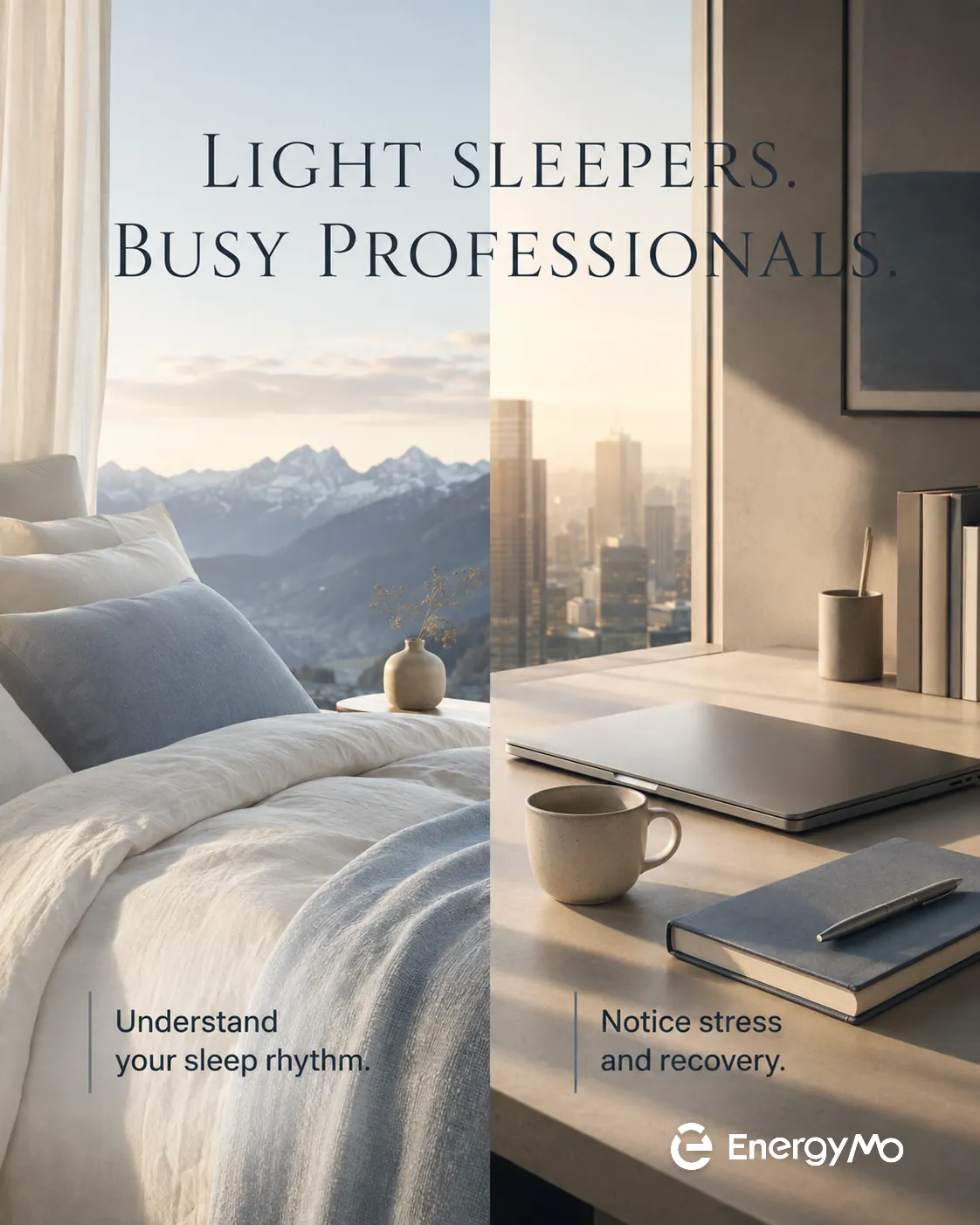
For light sleepers, a smart ring can help reveal patterns across sleep duration, nightly rhythm, and everyday routines. For busy professionals, it offers a quieter way to observe heart rate, HRV, stress, and recovery trends.
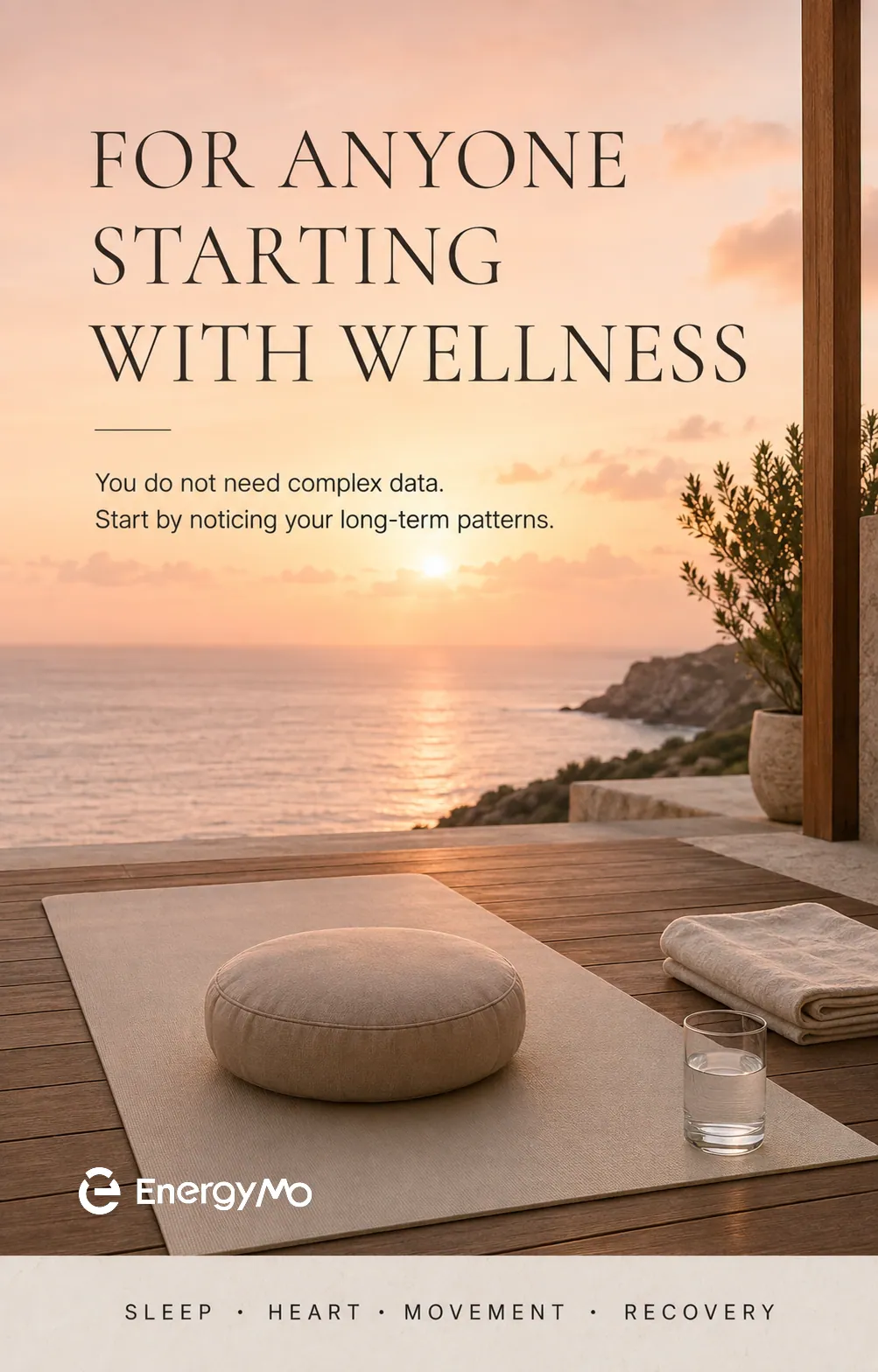
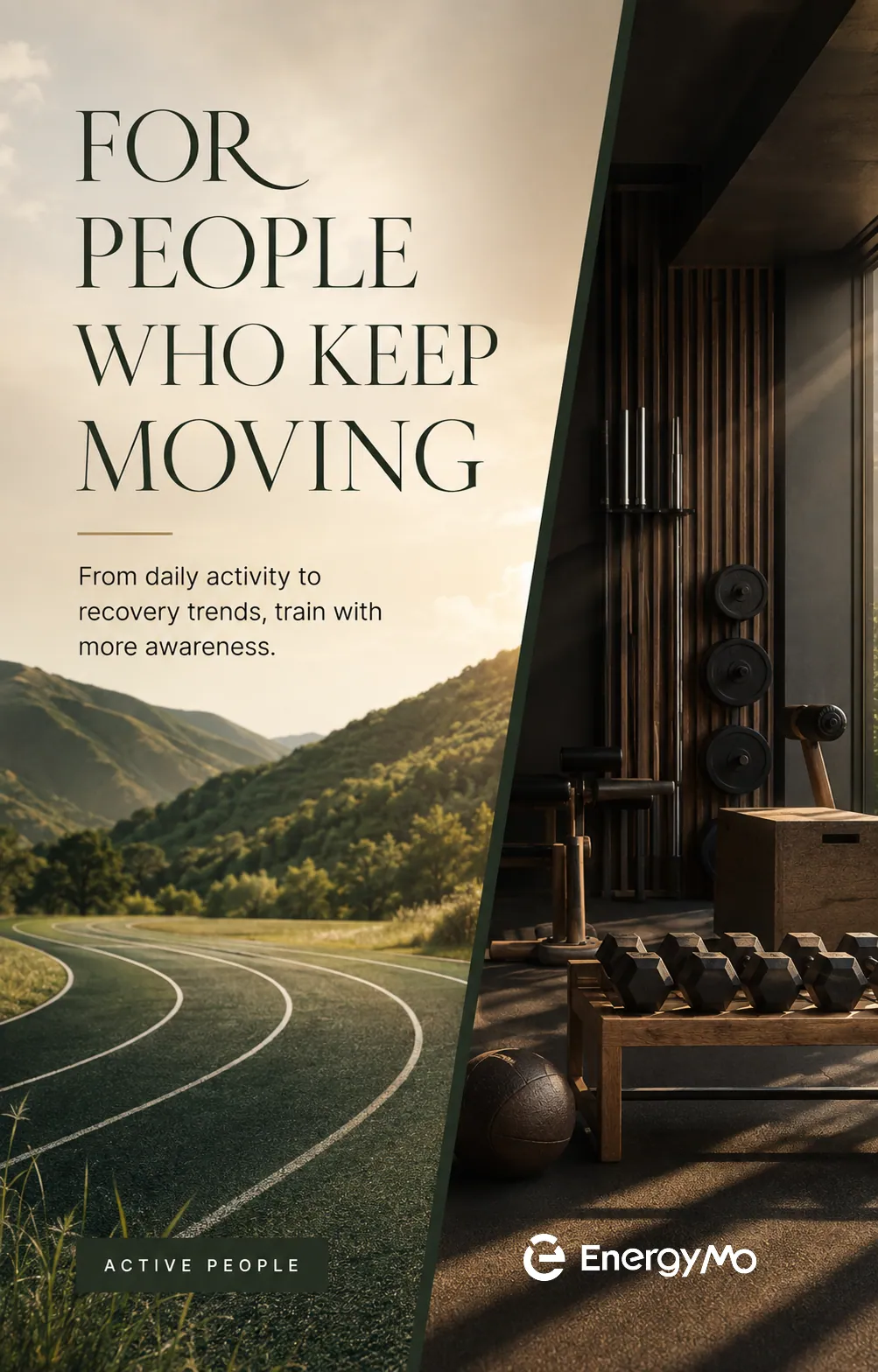
For runners, swimmers, tennis players, and fitness enthusiasts, it can connect daily movement with post-workout recovery. And for anyone beginning a wellness journey, it makes it easier to start with long-term patterns instead of overwhelming amounts of data.
You do not need to chase a perfect score. Start by noticing what changes—and what helps you feel more like yourself.
*Wellness insights are intended for personal trend awareness and are not designed to diagnose, treat, or replace professional medical advice.
Continue with the complete guide
Start with the decision you want to make
A useful wearable should help answer a practical question: Is your sleep schedule becoming more consistent? Did a change in routine coincide with lower energy? Is recovery returning toward your usual range after training or travel? Begin with one question and a small number of relevant signals instead of reacting to every score.
Smart rings trade a screen and constant interaction for discreet, repeatable sensing. That can make them comfortable for sleep and ordinary daily wear, but it also means the phone app carries the responsibility for explanation. Good interpretation should show the source signals, acknowledge missing data, compare against a personal baseline, and avoid medical certainty.
Build a trustworthy baseline
Wear the ring consistently, keep it comfortably fitted, and compare similar days. Note major context such as travel, alcohol, unusual exercise, illness, medication changes, or disrupted sleep. A longer record does not make every estimate exact, but it helps separate a one-off fluctuation from a repeated pattern.
Consumer wearable data is most useful for awareness and behavior reflection. It cannot diagnose the cause of fatigue, sleep disruption, pain, palpitations, or another symptom. Persistent or severe symptoms need professional assessment.
Frequently Asked Questions
How long does it take to establish a baseline?
There is no universal number of days. Consistent wear across ordinary routines is more useful than collecting many days with frequent gaps or major changes.
Is a smart ring useful without checking it every day?
Yes. Periodic review can reduce score anxiety and make longer patterns easier to see, provided data is syncing correctly.
Does more data mean a medical diagnosis?
No. More observations can improve context, but a consumer wearable does not become a diagnostic device simply because it has a long history.
Sources and Further Reading
Continue Exploring
This article provides general wellness education. EnergyMo products are consumer wellness devices, not medical devices.
EnergyMo products are consumer wellness devices, not medical devices. They are not intended to diagnose, treat, cure, or prevent any disease. Information provided is not medical advice.
Track what your body is telling you
EnergyMo Ring brings sleep, recovery, and daily movement into one discreet wearable.