
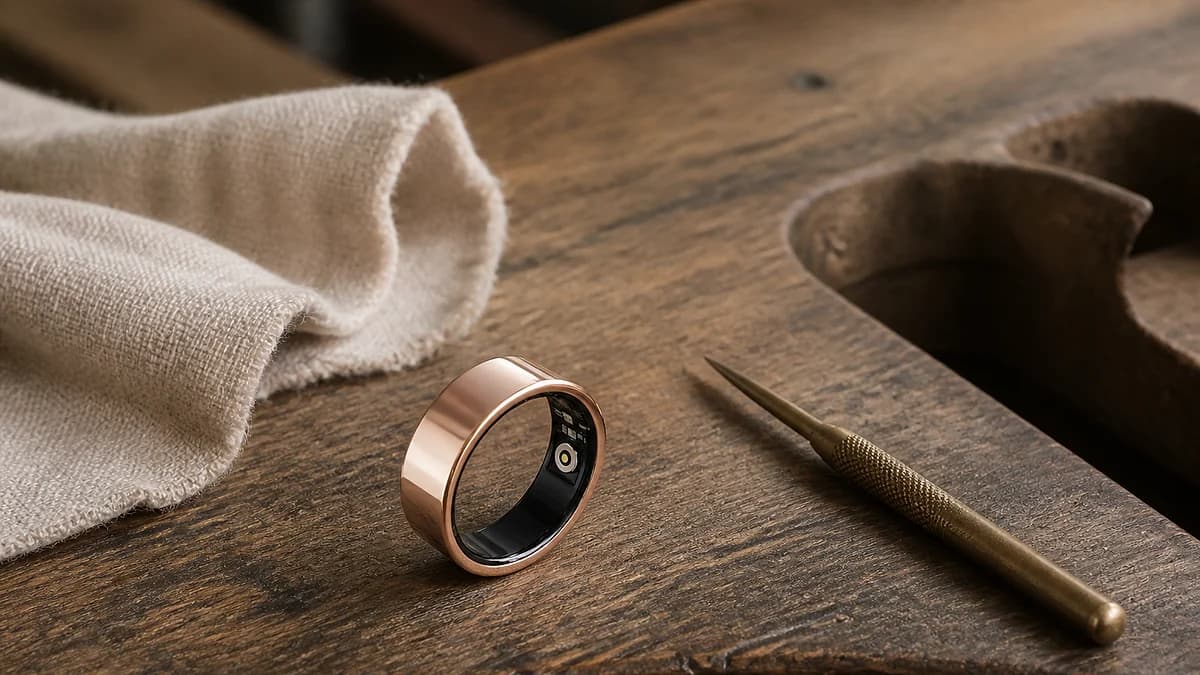
Value is not the number of sensors divided by price. It is the number of useful decisions a product supports, multiplied by how consistently you can wear and understand it.
What the evidence shows
Feature names do not establish accuracy; useful claims identify the metric, reference method, tested population and conditions.
This finding is most useful when compared under similar conditions and interpreted with the surrounding context. It should not be stretched into a diagnosis, a universal threshold, or a promise that every person will obtain the same result.
Comfort, data continuity, phone compatibility, privacy, returns and support shape long-term value as much as hardware.
Regional prices, subscriptions and policies can change, so current official checkout terms remain the source of truth.
How to use the information in daily life
Begin with the decision you are trying to make. Keep the device, finger and measurement conditions as consistent as everyday life reasonably allows, then review the underlying observations before reacting to a summary score.
- Write down one primary use case and three essential requirements.
- Calculate one-year and two-year ownership cost.
- Confirm current specifications, returns and privacy terms before paying.
Record context only when it changes: travel, alcohol, unusual exercise, illness, medication, disrupted sleep, a different finger, or a firmware update. A short factual note is usually more useful than inventing a cause for every fluctuation.
Measurement limits and safety
A consumer smart ring observes signals and estimates trends. It does not know the cause of a change and does not replace an examination, ECG, pulse oximeter, polysomnography, laboratory test, or another validated method when one is clinically required. Missing data can reflect movement, fit, charging, connectivity, cold skin, or rejection of a low-confidence segment.
Do not delay care because a wearable score looks reassuring. Chest pain, fainting, severe shortness of breath, confusion, bluish lips, new neurological symptoms, or persistent concerning symptoms need appropriate medical attention.
Frequently Asked Questions
Does a longer feature list mean better value?
No. A feature matters only when it is relevant, supported and usable consistently.
Can a smart ring diagnose disease?
A consumer wellness ring cannot diagnose or rule out disease.
Should I trust one accuracy percentage?
Only when the exact metric, method, reference and population are disclosed.
Sources and Further Reading
Continue Exploring
Editorial note: Sources and product information were checked on September 14, 2026. Specifications, software, services and policies can change; confirm current details on official pages. This article provides general wellness education. EnergyMo products are consumer wellness devices and are not intended to diagnose, treat, cure or prevent disease.
Pay for durable usefulness, not feature volume
Value has three layers. Access value means the ring fits, syncs with your phone and can be worn long enough to collect data. Information value means the app defines its metrics, shows underlying trends and communicates uncertainty. Action value means the information changes a decision you actually make—such as adjusting bedtime consistency—not merely producing another score.
Classify every premium feature before paying:
- Foundational: fit, reliable synchronization, security updates, export, returns and support.
- Relevant: a measurement or insight tied to your stated use case.
- Convenient: saves time but does not change the decision.
- Decorative: increases the feature count without a clear use.
Then ask the marginal question: what does the next $50 or next year of subscription add? Demand a concrete answer—better sizing options, disclosed validation, longer support, a useful analysis or service—not “more advanced AI.” Future software promises should be valued at zero until shipped and documented.
Recheck value after 30 days
Count nights worn, gaps, app opens that led to an action, support contacts and features actually used. A cheaper ring worn consistently can produce more personal value than an expensive ring left charging; an expensive model can be worth it when its fit, evidence and service solve a real constraint. Price is visible at checkout. Value appears only in sustained use.